Grain and Altitude: Capturing Alpine Village Life on Film
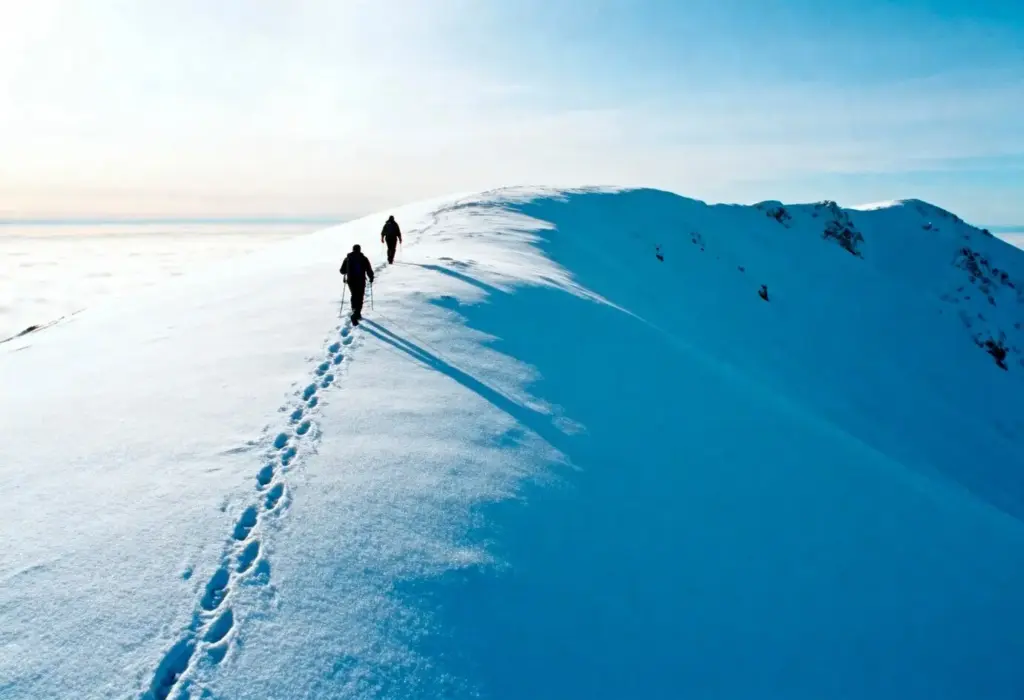
Today we head into the High Alps with analog cameras, attentive to quiet village routines, shifting mountain light, and the deliberate pace of film. We will explore gear choices, exposure strategies, respectful portrait-making, stock selection, and a resilient workflow. Share your questions, subscribe for field notes, and join the conversation with your own stories from cold mornings and warm kitchens, where the scent of woodsmoke and fresh bread lingers as shutters click and snow softly settles.

Choosing Rugged Analog Bodies

Cold exposes weaknesses before any composition does. Mechanical SLRs and rangefinders keep working when breath freezes on scarves, while electronic shutters sometimes falter. Keep batteries warm, test foam seals, and check advance mechanisms. A quiet, dependable shutter invites trust near doorways and barns. If your camera is repairable in the field with basic tools, you will keep shooting when clouds break and sunlight pours over slate roofs, carving luminous shapes across stacked firewood and tram cables.

Lenses for Tight Lanes and Open Peaks

Narrow lanes reward a modest wide angle for context without distortion, while a normal lens preserves honest proportions of faces framed by scarves and beanies. A short tele compresses switchbacks and smoke chimneys against jagged ridges. Choose light lenses to keep hands warm and steady. Focus scales and deep depth of field simplify zone focusing when gloves numb fingertips. Versatility beats weight; you will carry the kit longer than you expect, across icy steps and bustling markets.

Mastering Light Above the Treeline

Metering in Snow and Stone

An in-camera reflective meter can be seduced by bright snow, urging underexposure that flattens skin and wood. Calibrate compensation for heavy white scenes, or lean on incident readings near your subject’s face. When clouds pass, re-meter immediately. For negatives, err slightly on the side of exposure, preserving shadow detail in deep doorways. For slides, protect highlights with measured restraint. Keep notes, review contact sheets, and learn how the village’s light behaves through seasons, bells, and breakfasts.
Color Rendition in Blue Shadows

An in-camera reflective meter can be seduced by bright snow, urging underexposure that flattens skin and wood. Calibrate compensation for heavy white scenes, or lean on incident readings near your subject’s face. When clouds pass, re-meter immediately. For negatives, err slightly on the side of exposure, preserving shadow detail in deep doorways. For slides, protect highlights with measured restraint. Keep notes, review contact sheets, and learn how the village’s light behaves through seasons, bells, and breakfasts.

Timing the Village Rhythm

An in-camera reflective meter can be seduced by bright snow, urging underexposure that flattens skin and wood. Calibrate compensation for heavy white scenes, or lean on incident readings near your subject’s face. When clouds pass, re-meter immediately. For negatives, err slightly on the side of exposure, preserving shadow detail in deep doorways. For slides, protect highlights with measured restraint. Keep notes, review contact sheets, and learn how the village’s light behaves through seasons, bells, and breakfasts.

Respectful Storytelling in Mountain Communities
Villages remember faces, especially visitors who listen more than they photograph. Introduce yourself, learn greetings, and ask permission with patience. Share why you are drawn to this place, then step back and observe before raising the camera. Later, return with prints and a thank-you note. Stories deepen when kindness leads. You will be invited into kitchens, barns, and winter festivals, where trust outshines gear, and authenticity replaces spectacle with quiet, generous pictures that still feel true years later.

Film Stocks That Sing in Cold Air

Cold blue shadows, bright snowfields, worn timber, and rosy cheeks ask for emulsions with latitude and heart. Consider forgiving color negatives for mercurial weather and contrast, and classic black-and-white for texture across stone and wool. Reserve slide film for crystalline mornings when the sky behaves. Night inns shine with tungsten-friendly choices and steady hands. Push when wind forces fast shutters, pull when noon turns harsh. Let stock selection serve character, not fashion, and learn your favorites deeply.

Crafting Composition Among Rooflines and Ridges

Ridges pull the eye upward while alleys pull it inward. Use diagonals of stacked slate, wires, and fences to guide attention toward gestures, table settings, and shared glances. Place small human actions against large mountain shapes for scale and humility. Seek frames within frames under arches and window lattices. Let laundry lines, milk pails, and boot prints deliver narrative breadcrumbs. Patience and tiny shifts in footing transform clutter into rhythm, and ordinary chores into enduring, graceful scenes.
Foreground is more than decoration; it is a witness. A bucket crusted with ice, boot prints overlapping at a threshold, or a hanging bell half-buried in powder grounds the photograph. Choose one such element and let it whisper context while faces and gestures carry emotion. Shift a step to avoid mergers, and crouch to lend objects weight. When viewers smell iron and hear soft clinks just by looking, you have arranged the scene with honest depth.
Mountains demand attention, yet the purpose is people at home among them. Place a baker’s silhouette where a ridge breaks the sky, or allow smoke to bridge cottage and summit. Use leading lines that start human and end alpine. Keep horizons straight despite uneven streets. Wait for gestures—hands kneading, a wave—then press the shutter when geometry and humanity briefly harmonize. The resulting photograph respects scale without letting grandeur swallow the daily rhythm that truly defines this place.

Analog Workflow from Backpack to Darkroom
Field notes, temperature awareness, and patient processing preserve intent from first click to final print. Keep exposed rolls dry and warm, log frames with context and exposure choices, and avoid condensation by sealing gear before stepping indoors. In development, match chemistry to mood, then scan with restraint that respects grain. Share contact sheets, ask for critique, and return to print with renewed clarity. Each careful step turns fleeting breath into photographs that feel alive when held.
Valekifekorapifera
Privacy Overview

This website uses cookies so that we can provide you with the best user experience possible. Cookie information is stored in your browser and performs functions such as recognising you when you return to our website and helping our team to understand which sections of the website you find most interesting and useful.